
Getting Your Home Ready for a Hudson Valley Winter
Winters in Rockland County can swing from mild to brutally cold, and the freeze-thaw cycles common to the Hudson Valley are hard on homes. A little preparation in the fall saves you from burst pipes, high heating bills, and emergency repairs in January. Here's the checklist our staff walks customers through every year.
1. Protect Your Pipes
Frozen pipes are the single most expensive winter surprise for local homeowners. Before the first hard freeze, insulate any exposed pipes in basements, crawl spaces, garages, and along exterior walls. Foam pipe sleeves are inexpensive and take minutes to install. For outdoor spigots, disconnect and drain garden hoses, then install insulated faucet covers. If you're leaving for an extended trip, keep your thermostat no lower than 55°F to keep interior pipes warm.
2. Seal Drafts Around Doors and Windows
Air leaks are where your heating dollars escape. Run your hand around window and door frames on a windy day; where you feel a draft, add weatherstripping or a door sweep. A tube of quality caulk can seal gaps around window trim and where pipes or wiring enter the house. This is one of the cheapest upgrades with the fastest payback on your heating bill.
3. Service Your Heating System
Replace your furnace filter and stock up on spares for the season. If you heat with a boiler or forced-air system, it's worth having it professionally serviced before peak season. For homes with fireplaces or wood stoves, make sure the chimney has been cleaned and inspected.
4. Prep for Snow and Ice
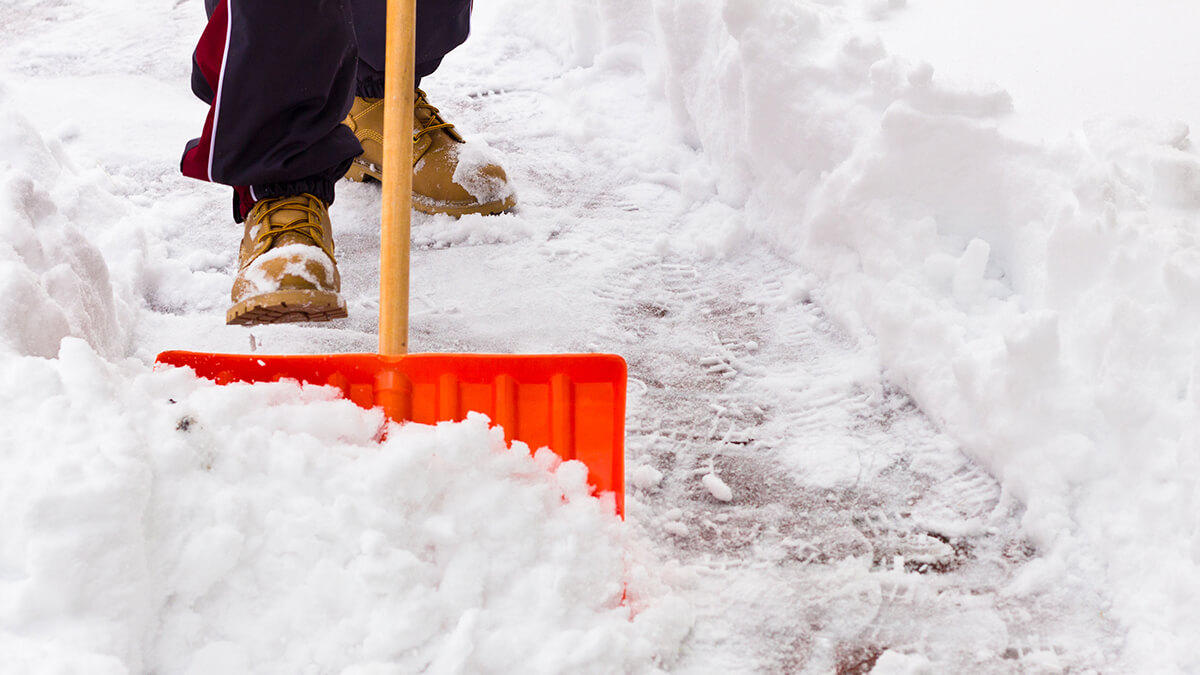
Don't wait for the first storm to discover your snow shovel cracked last spring. Check that you have a sturdy shovel, plenty of ice melt, and sand for traction. Ice melt formulas differ: some are safer for concrete, pets, and plantings than others, so ask us which is right for your walkways and driveway.
5. Reverse Your Ceiling Fans
Most ceiling fans have a small switch that reverses the blade direction. Running them clockwise on low in winter pushes warm air that's collected near the ceiling back down into the room, making your heating work more efficiently.
6. Test Safety Devices
Cold weather means more time indoors with heating systems running, which raises the risk of carbon monoxide. Test every smoke and carbon monoxide detector, and replace batteries now so you're not dealing with a chirping alarm at 2 a.m. in February.
Stop By and We'll Help You Get Ready
Winterizing doesn't have to be complicated, but having the right supplies makes all the difference. Stop into any of our four locations in Monsey, Pomona, New City, or Middletown, and our staff will help you find exactly what your home needs before the cold sets in.


