
Winters in Rockland County regularly dip well below freezing, and every year homeowners across Monsey, Pomona, New City, and the surrounding area deal with the same costly problem: frozen and burst pipes. A single burst pipe can cause thousands of dollars in water damage in minutes. The good news is that a few hours of preparation in the fall can save you that headache entirely.
Why Pipes Freeze and Burst
When water freezes it expands, and that expansion puts enormous pressure on your pipes. The pipes most at risk are the ones in unheated areas: basements, crawl spaces, attics, garages, and any lines that run along exterior walls. As the ice blockage grows, pressure builds between the blockage and a closed faucet until the pipe gives way.
Step 1: Insulate Exposed Pipes
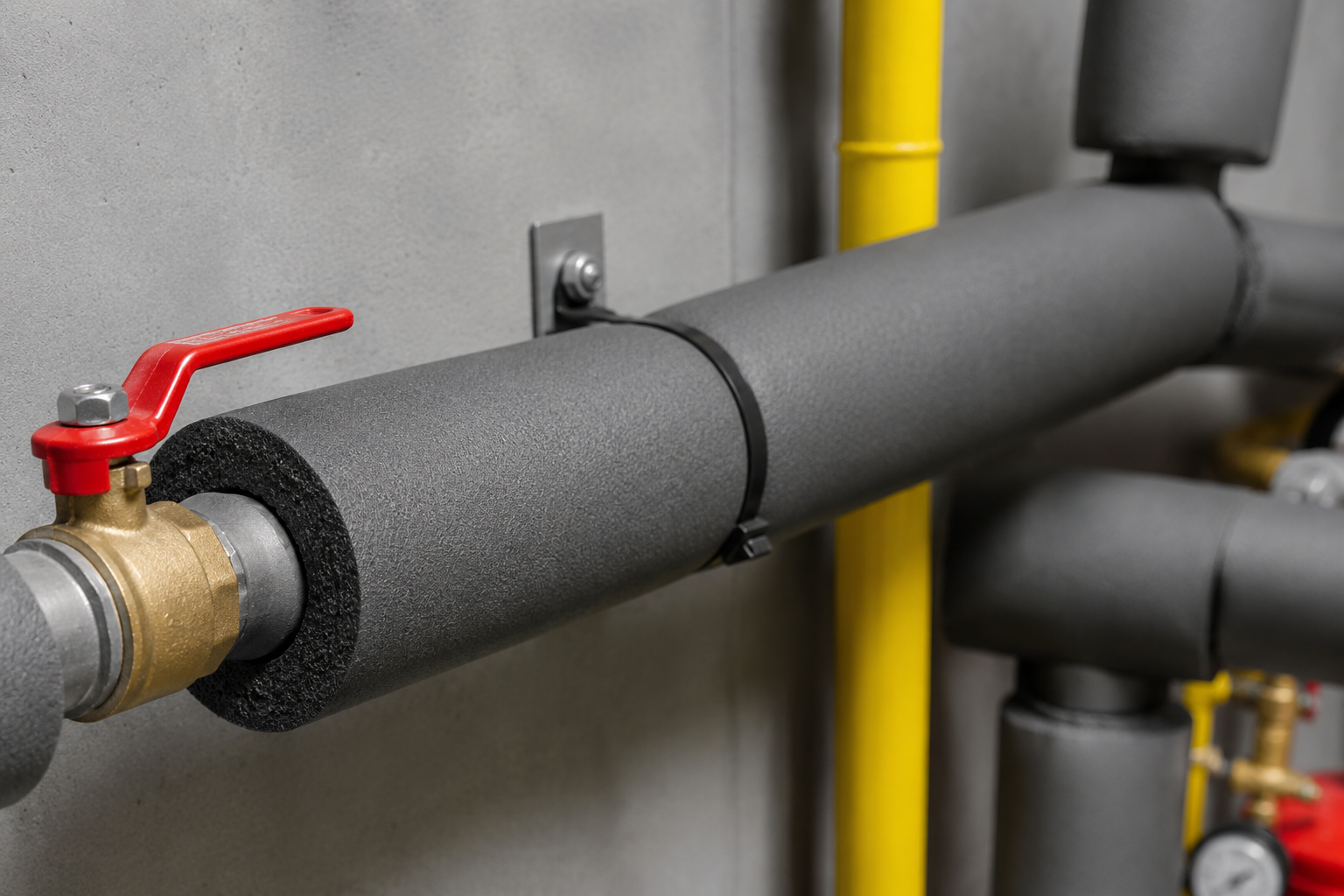
The single most effective step is wrapping exposed pipes with foam pipe insulation or heat tape. Focus on any piping in unheated spaces. Foam pipe sleeves are inexpensive, slide right on, and take only minutes to install. For pipes in especially cold spots, electric heat tape adds an extra layer of protection.
Step 2: Seal Drafts and Air Leaks
Cold air pouring in through cracks near pipes dramatically increases the risk of freezing. Use caulk or expanding foam to seal gaps around rim joists, foundation cracks, and any openings where pipes pass through walls. Keeping the cold air out protects both your pipes and your heating bill.
Step 3: Disconnect and Drain Outdoor Faucets
Before the first hard freeze, disconnect all garden hoses, drain the outdoor spigots, and shut off the interior valve that feeds them if you have one. Water left in an exterior faucet is one of the most common causes of winter pipe damage. Installing an insulated faucet cover adds cheap, easy insurance.
Step 4: Keep Heat Flowing During Cold Snaps
During extreme cold, open cabinet doors under sinks to let warm air reach the plumbing, and let a faucet drip slightly on the coldest nights. Moving water is far less likely to freeze. If you travel in winter, never set your thermostat below 55 degrees Fahrenheit.
What You'll Need
Here's a quick checklist of supplies to winterize your home: foam pipe insulation or heat tape, exterior-grade caulk or expanding foam, insulated outdoor faucet covers, and a pipe thermometer for monitoring cold areas. All of these are in stock at each of our four locations, and our staff can help you figure out exactly what your home needs.
Stop By Before the Cold Hits
The best time to winterize is before the first freeze, not after a pipe has already burst. Visit your nearest RHP Hardware & Paint location in Monsey, Pomona, New City, or Middletown, and our team will help you get everything you need to keep your pipes safe all winter long.


