
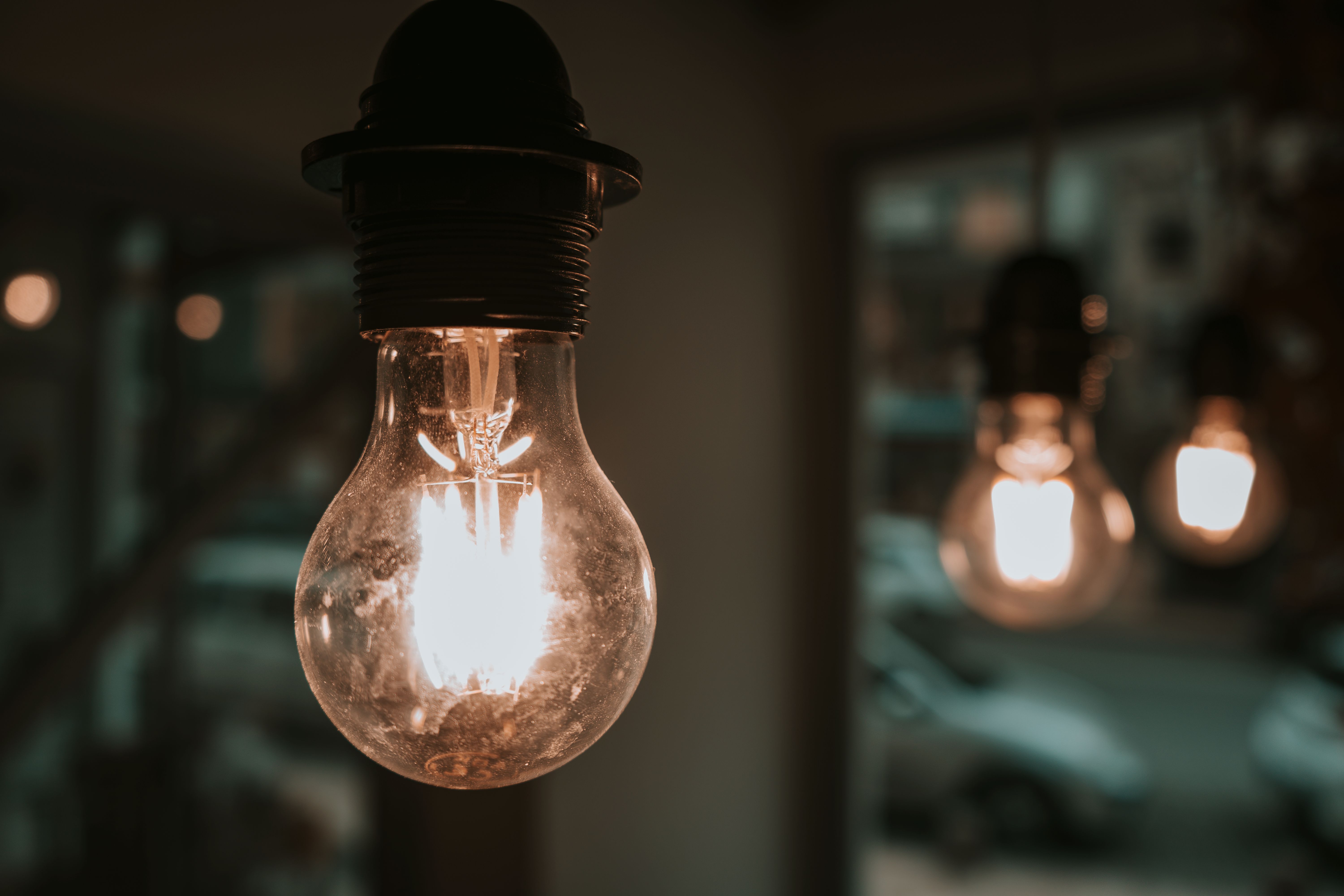
Replacing a light bulb or upgrading a light fixture is one of the most approachable home improvement tasks, but a little know-how keeps it safe and easy. Here's what you need to know.
Choosing the Right Bulb
Modern LED bulbs use a fraction of the energy of old incandescents and last for years. When choosing a bulb, look at three things: brightness (measured in lumens, not watts), color temperature (warm white around 2700K for cozy spaces, cool white around 4000K for work areas), and the base type and shape to match your fixture. Also check whether the fixture is on a dimmer, since you'll need dimmable bulbs.
Safely Changing a Bulb
Always turn the fixture off and let a hot bulb cool before touching it. For overhead fixtures, use a stable step stool, never a chair. Grip the bulb firmly but gently and turn counterclockwise. Screw the new one in snugly without over-tightening.
Replacing a Light Fixture
Swapping an entire fixture is a bigger job that involves wiring, so safety comes first. Turn off the power at the breaker, not just the wall switch, and use a voltage tester to confirm the wires are dead before touching them. This step is not optional.
Once you've confirmed the power is off, remove the old fixture, note how the wires connect (typically black to black, white to white, and the ground wire to green or bare copper), and connect the new fixture the same way using wire nuts. Secure the fixture to the electrical box, add the bulbs, and restore power to test.
When to Call an Electrician
If you find damaged wiring, an ungrounded box, aluminum wiring, or anything that looks unfamiliar, stop and call a licensed electrician. There's no shame in it, and it's far cheaper than an electrical fire. When in doubt, ask a professional.
Get the Right Supplies
RHP Hardware & Paint carries bulbs, fixtures, wire nuts, voltage testers, and everything else you need for home electrical projects. Our staff can help you find the right bulb base and brightness. Stop by any of our four locations.


